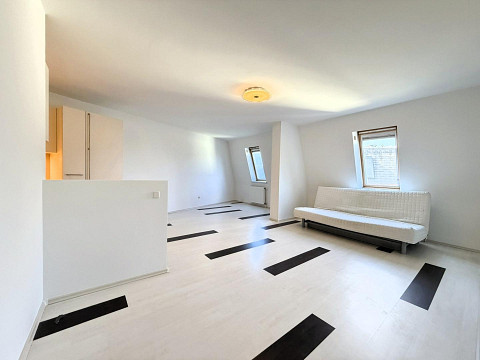
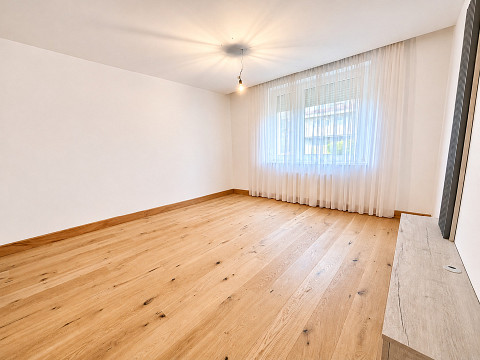
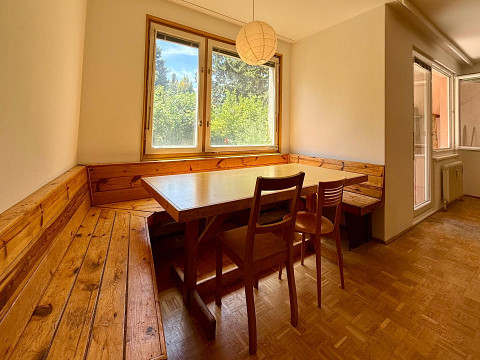
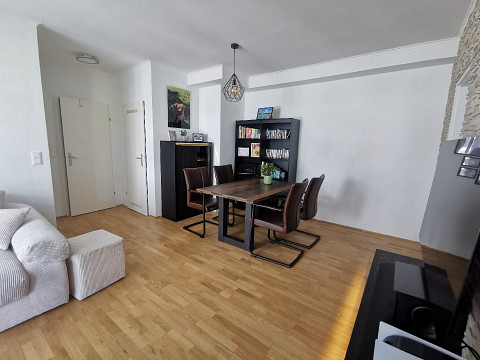
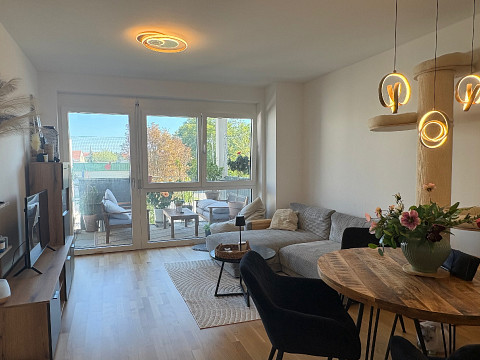
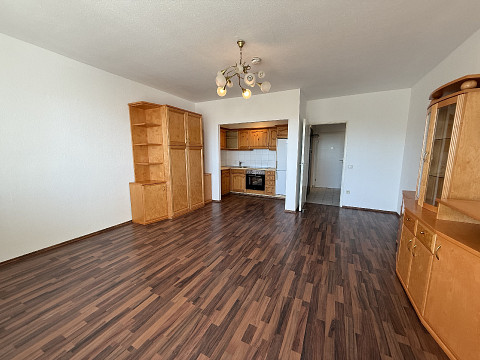
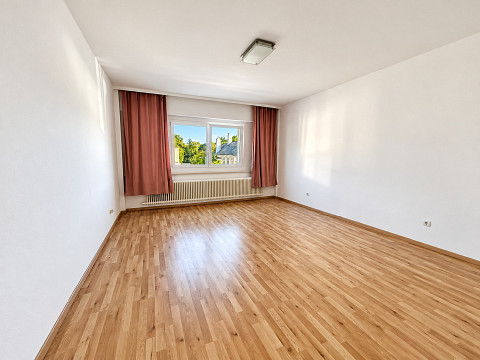
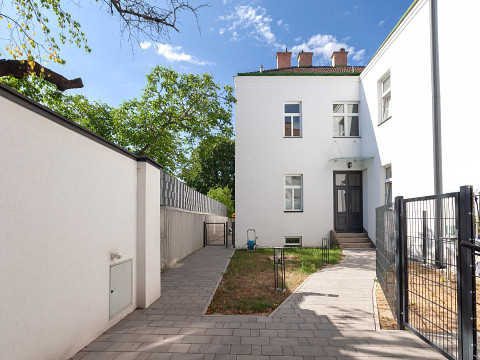
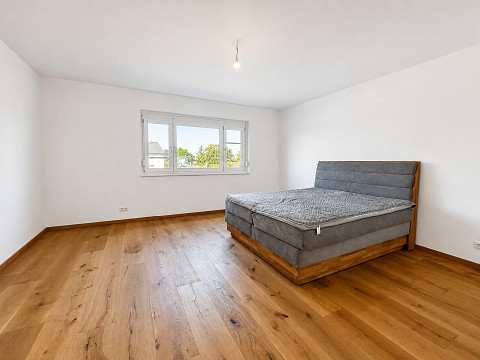
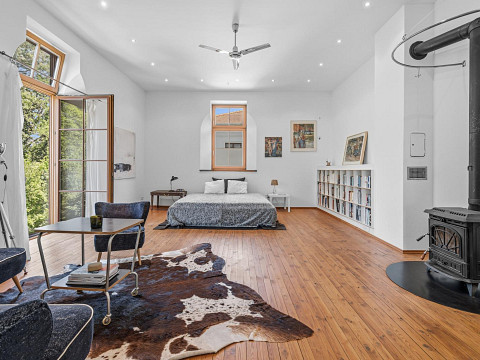
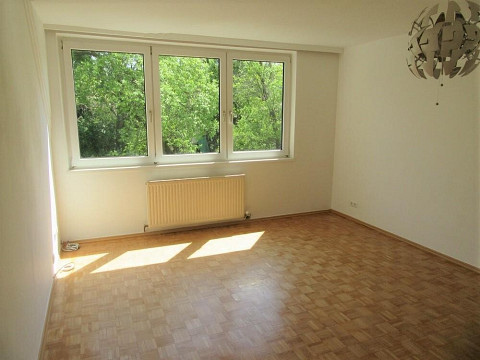
flats at Laxenburg, radius of 10km to buy and rent
About 2361 - Laxenburg
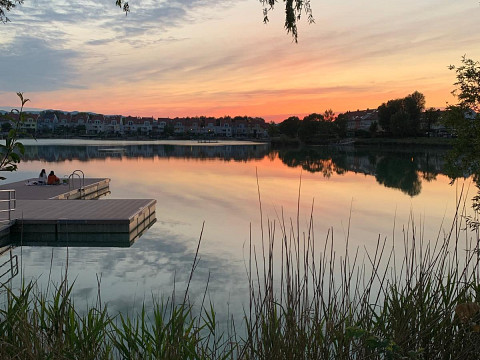
Area:10.59 km²Population:approx. 2850 main residentsapprox. 450 secondary residentsLocation:Laxenburg is located in the district of Mödling, approx. 15km south of Vienna at approx. 177m above sea level.Infrastructure:Pharmacy, doctors, restaurants, local shops, various clubs, elementary school, kindergartens, music school Laxenburg-Biedermannsdorf, etc...By bus you can get to Biedermannsdorf, Münchendorf, Achau, Mödling, Wiener NeudorfPlaces of interest:Parish church, castle park, Laxenburg Castle, Franzensburg, Markus-Löwe, Grünne Haus, Eisenbahnerpark, Kaiserbahnhof, Mariazell Chapel, Posthof, Aphrodite Fountain, Rossschwemme, Johannes-Nepomuk Chapel, Trinity Column, Fire Brigade Museum, Johannes Berl Park, Castle Theater, etc...Mayor:Mr. Robert DienstAbout Laxenburg:Laxenburg is located approx. 15 km south of Vienna. The historical significance of the settlement "Lachsendorf" began in the 13th century and Laxenburg was elevated to a market town as early as 1388 under Duke Albrecht III. Even at this time, thanks to its proximity to Schönbrunn Palace, Laxenburg was the preferred spring and summer residence of the imperial family.The town of Laxenburg grew along with the palace. The emperor and court were guests and attracted nobility and society to Laxenburg. Court life reached its peak in the eighteenth century, during the reign of Maria Theresa: performances by the Vienna Hofburgtheater, entertainment and tournaments dominated social life.Laxenburg has developed rapidly in its favor in recent years. A high quality of life, great leisure and recreational value, a broad cultural landscape, the best infrastructure and recognized environmental standards allow residents and guests to experience the comfort that makes life in the town worth living.In recent decades, Laxenburg has also developed into a modern and efficient business location and is an attractive home for businesses in the town itself as well as for large companies in the Lower Austria South industrial center. As the home of prestigious international organizations and institutions, Laxenburg is known far beyond Austria's borders.The heart of the market town of Laxenburg is, of course, the castle park. Laxenburg Palace is one of the most impressive palace complexes in Europe. The palace park is considered a prime example of historical garden design from the 18th and 19th centuries. It was Empress Maria Theresa and her grandson Emperor Franz who had the park extended to 280 hectares. The imposing gardens are lovingly and playfully designed. In addition to the Blue Court, there are numerous pleasure buildings, mystical grottos, temples and the medieval-style tournament ground.The most famous building on the site is certainly Franzensburg Castle, which was built between 1798 and 1801 and completed by 1835. Emperor Franz II had this replica of a medieval knight's castle built on an artificial island in the middle of the castle pond. The furnishings of these rooms, which are now accessible as a museum, are known as the "Treasure House of Austria".Empress Sisi spent her honeymoon here after her magnificent wedding to Emperor Franz Joseph. She was known for her love of long rides through the Laxenburg forests. Her son Crown Prince Rudolph was also born at Laxenburg Palace.Laxenburg Palace Park is a listed building in its entirety and has also been designated a Natura 2000 site. A variety of attractive leisure facilities offer more than 1 million guests a year everything their hearts desire. A panoramic train runs past many sights, and for children there is a huge children's playground with a natural area as well as horse-drawn carriages and pony rides. Whether sporty (boat hire on the 25-hectare castle pond), pure culture (guided tours of the Franzensburg Museum or up the "High Tower and over the roofs") or the culinary offerings of the restaurants - Laxenburg offers variety and flair.The parish church represents an important showpiece of the early Austrian Baroque period; its current form was created after the Turkish War of 1683. The Kaunitz-Wittgenstein Palace is reminiscent of the Kaunitz-Questenberg city palace in Vienna in its Josephine-Classicist design; today it belongs to the convent of the Sisters of the Cross. The Grünne House is the most elegant of all aristocratic palaces; it was bought and extended by Maria Theresa for her daughter Marie Christine and her husband Albert von Sachsen-Teschen. Or the Kaiserbahnhof, a terminus station of the Mödling-Laxenburg branch line built in 1850 and completely renovated and revitalized in 1999/2000. This only preserved Biedermeier railroad station in Europe is now a popular communication and event center.Laxenburg is home to Europe's most modern film archive. With more than 120,000 reels, it houses the largest film collection in Austria. Exhibitions and retrospectives of the Austrian Film Archive have their origins in Laxenburg.Laxenburg also has its own conference center. In the rooms of the palace and the palace theater, an elegant, modern conference center offers space for conferences, banquets, balls and concerts.Source: www.laxenburg.at